
Rising energy costs are a growing concern for UK businesses, from offices and retail units to warehouses and manufacturing sites. Many decision-makers are now asking whether commercial solar panels are a genuine cost-saving solution or simply a long-term sustainability gesture. In reality, the financial benefits can be significant when systems are correctly designed for your building and usage patterns.
In this guide, we’ll break down how much a business can save with commercial solar panels, what affects those savings, and why more organisations across Nottingham, Derby, Leicester and South Yorkshire are investing in solar energy systems as part of their long-term strategy.
Understanding the Cost Savings of Commercial Solar Panels
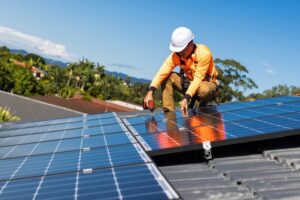
The savings from commercial solar panels come primarily from reducing how much electricity your business needs to buy from the grid. Instead of relying entirely on fluctuating energy prices, your system generates power on-site, allowing you to use electricity at a far lower effective cost.
For many UK businesses, electricity is used heavily during daylight hours exactly when solar panels are at their most productive. This makes commercial premises particularly well suited to solar installations. Depending on system size and usage, businesses can typically offset 30% to 70% of their grid electricity with commercial solar panels, leading to substantial annual savings.
Several factors influence how much your business can save:
- Energy consumption patterns: Businesses with consistent daytime usage benefit most.
- System size and design: A tailored system maximises generation and return on investment.
- Roof space and orientation: Larger, unobstructed roofs increase output potential.
- Future energy prices: As grid costs rise, the value of self-generated power increases.
At Piped Up Ltd, commercial systems are designed to match real-world demand rather than generic estimates, ensuring commercial solar panels deliver measurable financial value. You can explore our dedicated service page here:
Commercial Solar Energy Systems
Financial Returns for UK Businesses
While every project is different, most businesses see a clear financial return from commercial solar panels within a relatively predictable timeframe. Payback periods often range between 4 and 8 years, depending on installation size and energy usage. After that, the electricity generated is effectively low-cost power for the remainder of the system’s lifespan.
Modern commercial solar panels are built to last 25 years or more, meaning many businesses enjoy decades of reduced operating costs. For companies operating on tight margins, these long-term savings can be redirected into growth, staffing, or facility improvements rather than energy bills.
Some organisations also choose to integrate battery storage to increase savings further by storing excess energy for later use. This can be particularly beneficial for sites with variable demand. Learn more about related solutions on our Solar Services page.
Why Commercial Solar Panels Protect Against Energy Price Volatility
One often overlooked advantage of commercial solar panels is price stability. Grid electricity costs have proven unpredictable in recent years, making budgeting difficult for businesses of all sizes. By generating a portion of your own power, your exposure to these fluctuations is reduced.
This energy independence provides long-term financial resilience. Even if energy prices rise, the cost of electricity produced by your commercial solar panels remains largely fixed, improving forecasting and financial planning.
For businesses with sustainability targets or ESG commitments, solar energy also supports environmental goals while delivering real commercial value, a combination increasingly expected by customers, partners, and investors.
Long-Term Value Beyond Direct Savings
The benefits of commercial solar panels extend beyond monthly energy savings. Installing solar can enhance your building’s value, improve corporate image, and demonstrate a commitment to responsible energy use. Many clients report positive feedback from customers and stakeholders who value visible sustainability initiatives.
In addition, solar systems require minimal maintenance, keeping ongoing costs low. With professional monitoring and servicing, performance remains consistent year after year. Piped Up Ltd offers end-to-end support, from design and installation to long-term care, ensuring your system continues to perform efficiently.
Conclusion: Are Commercial Solar Panels Worth It?
So, how much can a business save with commercial solar panels? While exact figures vary, the combination of reduced electricity bills, protection from rising energy costs, and long-term system lifespan makes solar a financially sound investment for many UK businesses.
When professionally designed and installed, commercial solar panels are not just an environmental choice, they are a strategic financial decision. If you’re considering solar for your premises, speak with a specialist who understands both the technical and commercial aspects of energy systems.
Contact Piped Up Ltd today to discuss tailored commercial solar solutions across Nottingham, Derby, Leicester and South Yorkshire.
Frequently Asked Questions
1. How quickly do commercial solar panels start saving money?
Commercial solar panels begin reducing electricity bills as soon as they are commissioned. From day one, your business uses self-generated power instead of grid electricity. While full payback takes several years, immediate monthly savings improve cash flow and reduce operating costs straight away.
2. Do commercial solar panels work well in the UK climate?
Yes, commercial solar panels are designed to perform efficiently in the UK. They generate electricity from daylight rather than direct sunshine, meaning overcast conditions still produce energy. A well-designed system accounts for seasonal variation to deliver reliable annual performance.
3. How much roof space is needed for commercial solar panels?
The required roof space depends on your energy needs and desired system size. Many commercial buildings have ample unused roof area, making them ideal for solar. A professional survey will assess structural suitability, orientation, and available space before recommending a system.
4. Can commercial solar panels power an entire business?
In most cases, commercial solar panels supplement rather than fully replace grid electricity. However, they can provide a significant proportion of daytime energy use. When combined with battery storage, businesses can increase self-consumption and reduce grid reliance even further.
5. What maintenance do commercial solar panels require?
Commercial solar panels require minimal maintenance. Periodic inspections, cleaning if needed, and performance monitoring are usually sufficient. Professional servicing ensures the system operates efficiently and helps identify issues early, protecting long-term savings and system lifespan.
6. Are commercial solar panels suitable for rented buildings?
They can be, depending on lease agreements and landlord approval. Some landlords install commercial solar panels themselves to increase property value, while tenants benefit from lower energy bills. Clear agreements are essential to ensure both parties gain from the installation.
7. How long do commercial solar panels last?
Most commercial solar panels are designed to last 25 years or more. While output gradually reduces over time, systems continue generating usable electricity well beyond their initial warranty period, providing long-term value and ongoing savings for businesses.