
With household energy bills still a major concern, many homeowners are asking the same question: are solar panels worth it for UK homes in 2026? Interest in domestic solar continues to grow as families look for ways to cut costs, reduce reliance on the grid, and future proof their properties against rising energy prices.
In this blog, we’ll explore whether solar panels remain a smart investment for UK homes in 2026, what savings you can realistically expect, and how professional installation makes all the difference. If you’re considering renewable energy for your property, this guide will help you decide if solar is right for you.
Why Solar Panels Still Make Sense for UK Homes in 2026
The core reason homeowners invest in solar panels is simple: they reduce how much electricity you need to buy from the grid. Even with changing energy markets, the principle remains the same: generating your own power gives you greater control over household running costs.
Modern solar panels are far more efficient than earlier generations, producing usable electricity even on cloudy days. Because most households use electricity during daylight hours, a significant portion of solar energy can be used directly in the home rather than exported back to the grid.
Key reasons why solar panels are still worth it in 2026 include:
- Rising electricity prices increasing the value of self-generated power
- Improved panel efficiency and system design
- Long system lifespans with low maintenance requirements
- Growing awareness of environmental responsibility
When professionally installed, domestic systems are designed around real household usage, ensuring solar panels deliver both financial and practical benefits. Learn more about installation options on our dedicated page:
Domestic Solar Panels Installation
How Much Can UK Homeowners Save with Solar Panels?
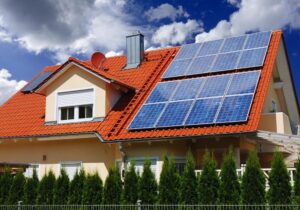
Savings from solar panels vary depending on property size, roof orientation, and energy usage. However, most UK households can significantly reduce their electricity bills by generating power on-site.
Homes that use more electricity during the day benefit most, as they consume solar energy directly instead of purchasing it from the grid. Even homes with lower daytime usage still see worthwhile savings, particularly when combined with smart energy habits or battery storage.
Over time, solar panels typically pay for themselves through reduced energy bills. While payback periods differ, many homeowners view solar as a long-term investment that provides steady savings year after year. As grid prices rise, the value of each unit of solar-generated electricity increases, improving overall return.
For homeowners exploring storage options, combining solar with batteries can increase self-consumption. You can read more about integrated systems on our Solar Services page.
Do Solar Panels Work Well in the UK Climate?
A common concern is whether solar panels are effective in the UK’s unpredictable weather. The good news is that modern systems are designed for British conditions. Solar panels generate electricity from daylight, not just direct sunshine, meaning they continue to work throughout the year.
While output is naturally higher in spring and summer, annual generation levels are predictable and factored into system design. A properly sized installation ensures your solar panels provide consistent value across all seasons.
Professional installers assess roof angle, shading, and orientation to optimise performance. This tailored approach ensures UK homeowners get the most from their investment, regardless of location.
Long-Term Value Beyond Energy Savings
The benefits of solar panels go beyond monthly electricity savings. Installing solar can increase your home’s appeal to future buyers, particularly as energy efficiency becomes a key consideration in property decisions.
Solar panels also support sustainability goals by reducing reliance on fossil fuels and lowering household carbon emissions. For many families, this environmental benefit is just as important as the financial return.
Maintenance requirements are minimal, and most solar panels are designed to last 25 years or more. With routine checks and monitoring, systems continue producing reliable energy long into the future.
Conclusion: Are Solar Panels Worth It for UK Homes in 2026?
So, are solar panels worth it for UK homes in 2026? For most homeowners, the answer is yes. With improved efficiency, rising energy costs, and long system lifespans, solar remains a strong investment for households looking to reduce bills and gain energy independence.
When installed by experienced professionals, solar panels deliver long-term value, predictable savings, and meaningful environmental benefits. If you’re considering solar for your home, expert advice ensures your system is tailored to your property and lifestyle.
Contact Piped Up Ltd today to explore domestic solar panel installation across Nottingham, Derby, Leicester and South Yorkshire.
Frequently Asked Questions
1. How long do solar panels last on UK homes?
Most modern solar panels last 25 years or more. While efficiency gradually reduces over time, systems continue producing usable electricity long after the initial warranty period. With minimal maintenance, homeowners can expect decades of reliable performance and long-term savings.
2. Are solar panels expensive to install in 2026?
The upfront cost of solar panels depends on system size and property requirements. However, installation costs have become more competitive, and long-term energy savings often outweigh the initial investment. Many homeowners view solar as a cost-effective upgrade rather than an expense.
3. Do solar panels work during winter months?
Yes, solar panels work throughout winter by generating electricity from daylight. Although output is lower due to shorter days, systems are designed to balance seasonal variation. Annual performance calculations ensure solar panels provide reliable energy over the full year.
4. Can solar panels power my entire home?
Solar panels usually supply part of a home’s electricity rather than all of it. However, they significantly reduce grid reliance. Adding battery storage can increase self-consumption, allowing households to use stored solar energy during evenings or peak usage times.
5. What maintenance do domestic solar panels need?
Solar panels require very little maintenance. Occasional inspections and cleaning, if necessary, help maintain performance. Professional monitoring can identify issues early, ensuring the system continues to operate efficiently and deliver consistent savings.
6. Are solar panels suitable for terraced or semi-detached houses?
Yes, many terraced and semi-detached homes are suitable for solar panels. Roof size, orientation, and shading are assessed during a survey. Even modest roof space can support a system that delivers worthwhile energy savings.
7. Will solar panels increase my home’s value?
Solar panels can make a home more attractive to buyers by reducing energy costs and improving efficiency. As energy performance becomes increasingly important, properties with solar installations are often seen as future-ready and more desirable.