

Uncover how air source and ground source heat pumps perform in freezing UK temperatures.
As winter sets in across Nottingham, Derby, Leicester and South Yorkshire, many homeowners ask the same question: can heat pumps really cope with cold British weather? With energy bills rising and interest growing in renewable heating, it’s vital to understand how heat pumps in winter actually perform.
This guide explains the facts in plain English, covering efficiency, comfort, and whether a heat pump is the right choice for your home when temperatures drop.
Understanding Heat Pumps in Winter Performance
Heat pumps don’t create heat by burning fuel. Instead, they move heat from outside into your home using electricity. Even in cold conditions, there is still usable heat in the air or ground. This is why heat pumps in winter can continue to provide reliable warmth when designed and installed correctly.
Modern systems used for air source heating in the UK are built to operate efficiently at temperatures as low as -15°C. While we rarely see such extremes, this shows that winter operation is well within their capability. Ground source systems go even further, drawing steady warmth from underground where temperatures remain stable all year.
Do Heat Pumps Work in Winter UK Homes?
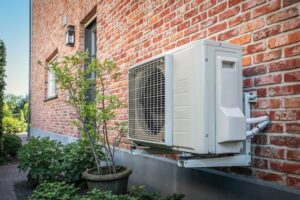
A common concern is whether these systems suit older British properties. The short answer is yes , but preparation matters. Insulation, radiator sizing, and overall system design play a key role in how effective heat pumps in winter will be.
Homes with good insulation retain heat for longer, allowing low temperature heating systems to work efficiently. This doesn’t mean heat pumps only suit new builds. With the right upgrades, many traditional homes across the East Midlands and South Yorkshire can enjoy comfortable, consistent heating all winter long.
At Piped Up Ltd, we assess your property carefully before recommending a solution. This ensures your system delivers dependable renewable heating without compromising comfort.
Air Source Heating vs Ground Source in Cold Weather
When comparing air source heating and ground source systems, winter performance is often the deciding factor.
Air source heat pumps extract heat from the outside air. In winter, they may work slightly harder, but advances in technology mean efficiency remains strong. Ground source heat pumps use heat stored in the ground, which stays at a consistent temperature even during cold spells.
For many households, air source systems offer a cost-effective and practical option, especially where garden space is limited. Ground source systems can deliver excellent winter efficiency but usually require more space and higher upfront investment. Both options provide dependable heat pumps in winter when matched correctly to the property.
Why Low Temperature Heating Works Best in Winter
Heat pumps are designed for low temperature heating, meaning they provide steady warmth over longer periods rather than short bursts of intense heat. This approach keeps your home comfortable throughout the day and night, even in winter.
Instead of blasting radiators to high temperatures, heat pumps gently maintain warmth. This reduces energy waste and improves efficiency. Underfloor heating works particularly well, but modern radiators can also be sized to suit heat pump systems.
This steady approach is one reason heat pumps in winter feel different from traditional boilers but many homeowners quickly come to prefer the consistent comfort.
Is Renewable Heating Reliable During Cold Spells?
Reliability is crucial in winter. Heat pumps are engineered with British weather in mind, and modern units include defrost cycles and smart controls to maintain performance during frost or snow.
When installed by accredited professionals, renewable heating systems offer excellent reliability and long-term peace of mind. At Piped Up Ltd, our MCS-certified engineers design systems that balance efficiency and resilience, ensuring your home stays warm even during cold snaps.
For homeowners considering a wider energy strategy, combining heat pumps with solar can further improve efficiency.
What Homeowners Should Consider Before Winter Installation
If you’re planning to install a heat pump, timing and preparation matter. Ideally, assessments and upgrades should be completed before winter begins. Key considerations include insulation levels, radiator capacity, and hot water demand.
Choosing an experienced installer is just as important. A poorly designed system may struggle, leading to the myth that heat pumps in winter don’t work. In reality, most issues come down to design, not technology.
Piped Up Ltd takes a whole-home approach, ensuring your heating system is tailored to your lifestyle, property type, and local climate.
Conclusion: Are Heat Pumps the Best Heating System for Cold British Homes?
So, can heat pumps handle winter? Absolutely. With proper design and installation, heat pumps in winter provide efficient, reliable, and environmentally friendly heating for UK homes. They’re a strong contender for anyone seeking lower carbon emissions, stable energy costs, and long-term comfort.
If you’re considering switching to air source heating or another form of renewable heating, our team is here to help. Contact Piped Up Ltd today for expert advice and support across Nottingham, Derby, Leicester and South Yorkshire.
Frequently Asked Questions
1. Do heat pumps work in winter UK temperatures?
Yes, modern systems are designed for British winters. Even in freezing conditions, they extract usable heat from the air or ground. When properly installed, they deliver consistent indoor warmth and remain an efficient option for winter heating in most UK homes.
2. How effective are heat pumps in cold weather?
Heat pumps remain highly effective in cold weather, especially when paired with good insulation. While efficiency can dip slightly during extreme cold, modern units are built to compensate, ensuring comfort and reliable performance throughout winter.
3. Is air source heating expensive to run in winter?
Running costs depend on insulation, electricity tariffs, and system design. Well-installed air source heating systems can be cheaper than traditional boilers over time, particularly when combined with smart controls and energy-efficient habits during winter months.
4. What is the best heating system for cold British homes?
There’s no one-size-fits-all answer. Heat pumps are an excellent option for many homes, offering efficient, low carbon heating. The best system depends on property type, insulation, and budget, which is why professional assessment is essential.
5. Can older homes use heat pumps in winter?
Yes, older homes can benefit from heat pumps with the right preparation. Insulation improvements and suitable radiators help ensure efficient low temperature heating, making winter performance reliable and comfortable even in period properties.
6. Do ground source heat pumps perform better in winter?
Ground source systems often maintain higher efficiency in winter because ground temperatures stay stable. However, they require more space and investment. Both ground and air source systems can perform well when correctly designed.
7. Are heat pumps reliable during power cuts?
Heat pumps rely on electricity, so they won’t operate during a power cut unless paired with backup solutions. However, power outages are rare, and modern systems are highly reliable for day-to-day winter heating needs.
